


SERVICES

PBM (Photobiomodulation)

Laser Therapy for Jaw Pain, TMJ & Oral Healing in Canberra

Distressed woman covering ears in bed due to partner’s snoring problem

If you’ve been living with jaw or facial pain, photobiomodulation may be able to help. PBM is a form of low-level laser therapy used to manage pain and support healing without surgery, needles or anaesthetic. At Dental Sleep & TMJ Therapy Canberra, it forms one part of a wider plan for jaw, facial and oral pain, working alongside the rest of your care rather than replacing  it.


To find out whether PBM is suitable for your pain, book a consultation and we’ll talk through your options.

photobiomodulation

What is Photobiomodulation and how does it work?

Distressed woman covering ears in bed due to partner’s snoring problem

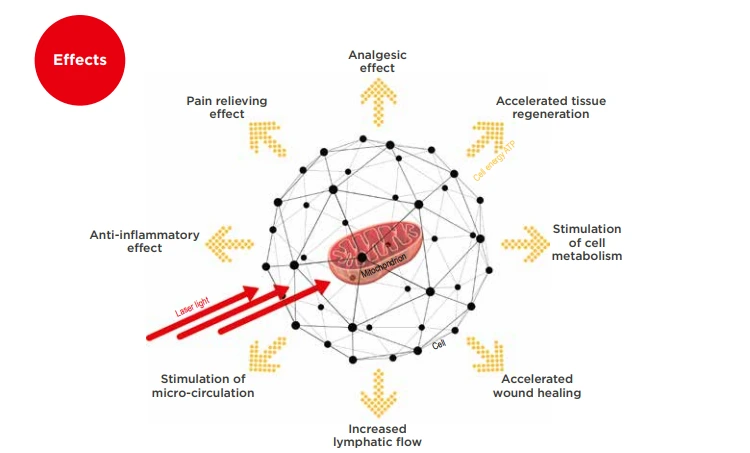
PBM uses laser light at a low intensity. Unlike a surgical laser, it doesn’t cut or remove tissue. The laser reaches the tissue beneath your skin or inside your mouth, where your cells absorb it. This sets off three changes:

Your treatment is planned and delivered by our principal dentist, Dr Kavitha Vegunta, who holds a BDS and an MSc in Pain Medicine from the University of Sydney, and a Fellowship in Dental Sleep Medicine from the Australian Sleep Association. Once she has examined you, she’ll determine the wavelength and dose, the areas to treat and the number of sessions you’ll need.


Book a consultation and we’ll assess what’s causing your jaw or facial pain, then talk through your options.

Why we use PBM

Peaceful Beautiful Mature Woman Sleeping In Bed In The Morning

PBM for jaw, face and mouth pain

PBM is used in the management of pain in the jaw joint, the face and the mouth.

Dental sleep therapy treats bruxism

For the jaw

In the jaw, PBM is used for temporomandibular joint disorders, arthritis of the jaw joint, and for the muscle tenderness that builds up in the jaw muscles through clenching and grinding. That includes jaws that feel tight or sore, pain that spreads to the temples or ears, and restricted opening caused by muscle tightness. It’s also used for the acute inflammatory pain that can follow a long appointment, root canal therapy or a wisdom tooth removal.

Dental Approaches to Treating Teeth Grinding (Bruxism)

For the face

Across the face, PBM is used for nerve-related pain including trigeminal neuralgia, postherpetic neuralgia after shingles, and burning mouth syndrome. It’s also used in the management of facial palsies such as Bell’s palsy and Ramsay Hunt syndrome, where treatment aims to support recovery of the facial muscles.

TMJ pain or facial discomfort

For the mouth

Inside the mouth, PBM is used for ulcers, oral mucositis and oral lichen planus, and to support healing after a frenectomy, an extraction, implant placement or other minor oral surgery. It’s also used for the soreness that can come with orthodontic treatment.

Snoring problem solved by dental sleep therapy

Does PBM help with snoring or sleep apnoea?

PBM is used for pain, not snoring. If jaw or facial pain is what wakes you, easing that pain may help you sleep more comfortably. Snoring and interrupted breathing are managed differently, with a mandibular advancement splint or with NightLase, and we’ll talk you through both at your consultation.

What to expect at your first appointment

Your first session is short and straightforward. You won’t need a referral to see us, which matters if you’ve already been passed between practitioners without resolution. We’ll take the time to hear your full history first, as that’s what shapes your treatment plan and our longer-term approach.


Once you’re settled in the chair, we’ll fit your protective eyewear, then hold a small handpiece over the skin of your face or jaw, or use it inside your mouth. There are no injections and no anaesthetic is needed. Most people feel nothing at all, or a mild warmth, and each area takes only a few minutes.


PBM works as a course rather than a single visit, commonly between six  and twelve sessions at one  or three a week, although fewer are often needed for healing after a procedure. We’ll confirm the number of appointments and the cost with you before treatment begins.

After your session

Most people can eat, drink and continue with their day straight away, although some notice mild soreness for a day or so. Try to keep to the schedule we set, as PBM works across a course rather than in a single sitting. It also helps to note any changes between appointments, since that’s what we use to review your plan.


If you take prescription pain medication, please don’t stop or reduce it on your own. That decision belongs to the practitioner who prescribed it, and with your consent we’ll share what we’re seeing so they can review it with you.

How do we assess whether PBM is right for you?

Distressed woman covering ears in bed due to partner’s snoring problem

We start with a full medical history, including your diagnoses and any medication you take, then discuss your symptoms, how long you’ve had them and what makes them worse. We then palpate the muscles and joints to find tender areas, check your range of movement, listen for jaw joint noises, assess your bite and examine the soft tissues of your mouth.


If PBM isn’t suitable for you, we’ll explain why and talk through the alternatives, whether that’s another of the treatments we offer or a referral to your medical practitioner for further assessment.


PBM doesn’t help everyone, and some patients notice little change. Where your symptoms cross into medical care, PBM sits alongside the treatment provided by your GP, neurologist or pain specialist.

Is PBM safe?

Distressed woman covering ears in bed due to partner’s snoring problem

PBM is non-invasive and generally well tolerated, although it isn’t suitable for everyone. Please tell us if you’re pregnant, if any of your medication makes you more sensitive to light, or if you’ve had skin cancer or another malignancy in the area to be treated. We also need to know about any condition affecting your head, neck or nervous system, as this can change whether PBM is appropriate for you.

Come and talk to us

You don’t need a referral for PBM, and you don’t need to know what’s causing your pain before your first appointment. Book a consultation and we’ll start with your  history, work out what’s driving your pain and tell you whether PBM is suitable for you.