NightLase®
Laser treatment for snoring and mild to moderate obstructive sleep apnoea in Canberra.
NightLase® treatment
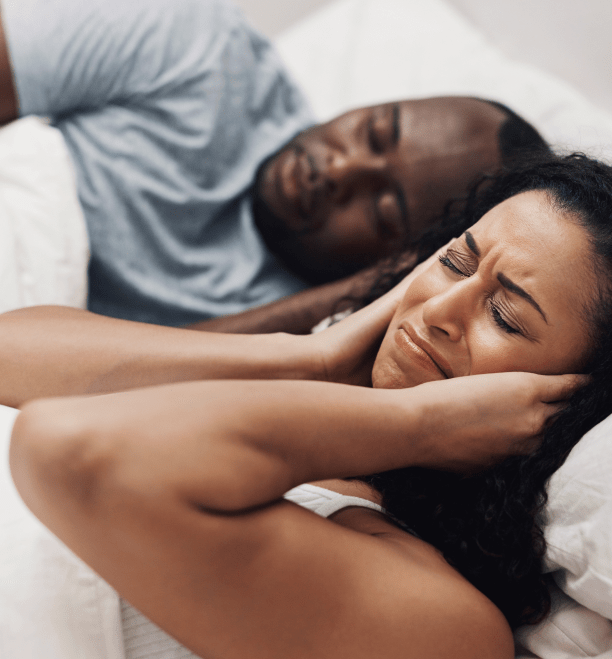
If you snore, chances are someone else told you about it first. NightLase is a course of laser treatment for snoring, and for selected cases of mild sleep apnoea. There’s no surgery, and nothing to wear at night.
It isn’t right for everyone, and snoring can be a sign of something that needs proper diagnosis, so assessment always comes first. Meet with our principal dentist, Dr Kavitha Vegunta, for an assessment of what’s behind your snoring.
What is NightLase and how does it work?
NightLase uses an Er:YAG laser to deliver controlled light energy to the soft palate, the uvula, the tonsillar regions, and the tissues around them. The laser warms the tissue to around 40 to 48 degrees, which is warm enough to stimulate collagen remodelling but well below the temperature that cuts or removes tissue.
As the collagen responds, the soft palate and surrounding tissues tighten. Firmer tissue vibrates less, and it’s that vibration which produces the sound of snoring.
The NightLase sensation can feel like a warm mist at the back of the throat. No anaesthetic is needed, and you can eat, drink and return to work straight afterwards.
Why we use NightLase
- To reduce the intensity and frequency of snoring
- To manage selected cases of mild obstructive sleep apnoea
- To support CPAP or splint therapy in more significant cases, particularly where airway collapse makes those harder to tolerate
- To offer an option to patients who can't get on with a CPAP machine or an oral appliance.
Is NightLase right for you?
NightLase treats the soft tissue at the back of the throat, so it suits people whose snoring comes from that area. Where the obstruction sits elsewhere in the airway, it won’t do much, which is why we identify the level and pattern of obstruction before recommending it.

When snoring needs investigating
Snoring is a symptom, not a diagnosis. It can point to obstructive sleep apnoea, a condition where breathing repeatedly stops during sleep, and that needs proper investigation rather than treatment aimed at the noise. If you haven’t had a sleep study and your history suggests one is warranted, we’ll arrange it or refer you to a sleep physician before going any further.
Where a diagnosis is already in place, we’ll talk through where NightLase fits alongside the other options, which include a mandibular advancement splint, CPAP, weight management and surgery. In moderate to severe OSA, NightLase is used as an adjunct rather than a replacement for the treatment already keeping your airway open.
If it isn’t the right option for you, we’ll tell you what we’d recommend instead.
What to expect during treatment
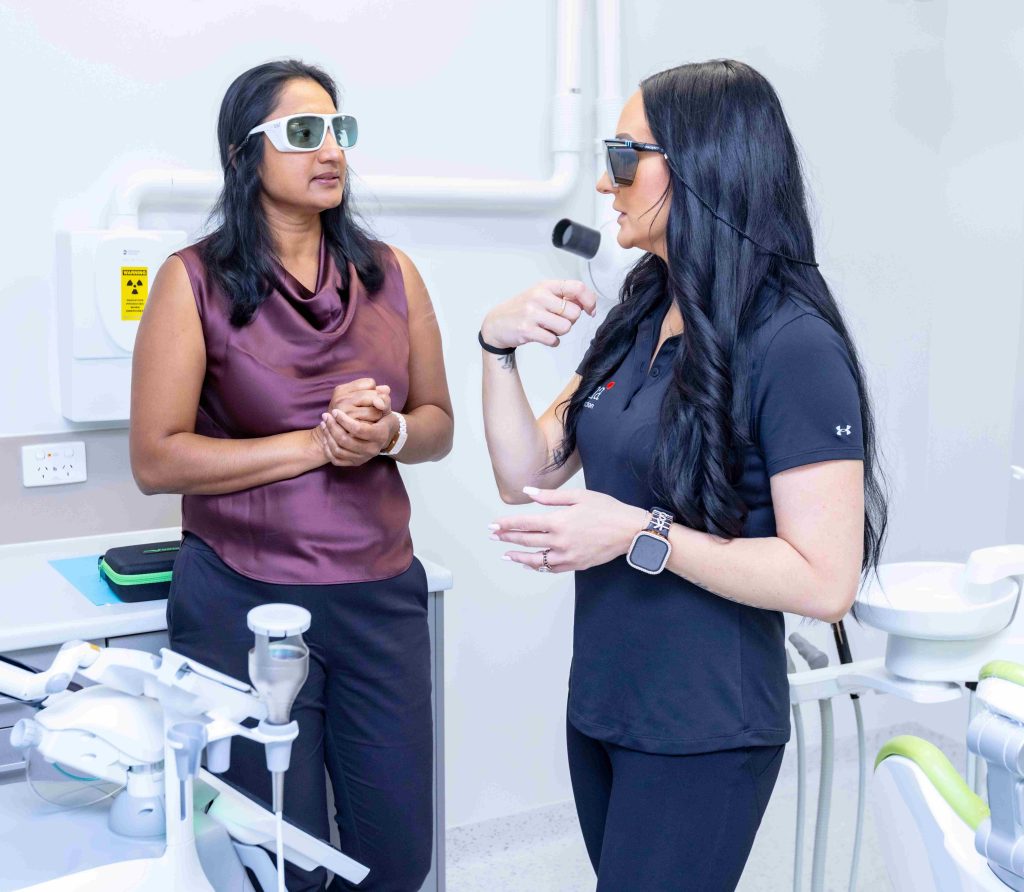
A full course runs over roughly six to seven weeks, and each session is short. You and your clinician wear protective eyewear throughout, and the laser handpiece is used inside the mouth, working across the soft palate, the uvula, the pillars either side of the throat, and the tonsillar regions.
There’s no anaesthetic and nothing is cut or removed. Patients generally report very little discomfort. Dr Kavitha Vegunta will talk you through the number of sessions, the costs and the risks before treatment begins, so that you can give informed consent.
What happens after NightLase treatment?
You can eat and drink straight away and return to your usual activities the same day. Some people notice mild throat dryness or scratchiness for a day or so.
Changes develop gradually as the tissue responds.We ask you to use the SnoreLab app on your phone to monitor your snoring and help us assess your response to treatment and treatment outcomes. That feedback, along with your own sleep quality, is what we use to review the course as it goes.
The effect isn’t permanent. Tissue changes over time, and most patients have a maintenance session about once a year or once in 6 months to keep the benefit. We’ll discuss that at your review.
Is NightLase safe?
NightLase is non-surgical and generally well tolerated, though it isn’t suitable for everyone, so we will need to discuss the following:
- Some people notice throat dryness, mild soreness or a scratchy sensation for a day or two
- Results vary, and NightLase doesn't work for everyone
- The effect wears off over time, so maintenance sessions are usually needed
- Treating snoring without diagnosing what's behind it can mask obstructive sleep apnoea, which is why assessment comes first
Tell us if you’re pregnant, if you take medication that increases your sensitivity to light, or if you’ve had cancer or another malignancy affecting the head or neck. Let us know about any condition affecting your throat, palate or airway, since it may change whether NightLase is appropriate. Laser energy can injure the eyes, so the protective eyewear stays on for the whole session.
Book an assessment
If you snore, or your partner has told you that you stop breathing during the night, book an assessment. We treat snoring and sleep-related breathing at our practice in Phillip, a few minutes from the Woden town centre.
We’ll examine your airway, work out where the obstruction is coming from, and tell you whether NightLase is the right treatment for it.